The image below was our intended route when we began in 2022. Somehow it grew from Hay River to Gjoa Haven to paddling all the way to Quebec! It was overly ambitious and after the first year we both doubted if we could make it all the way – or if we wanted to. We plan to return to finish our trip to Taloyoak and hope to paddle the Labrador Coast one day.
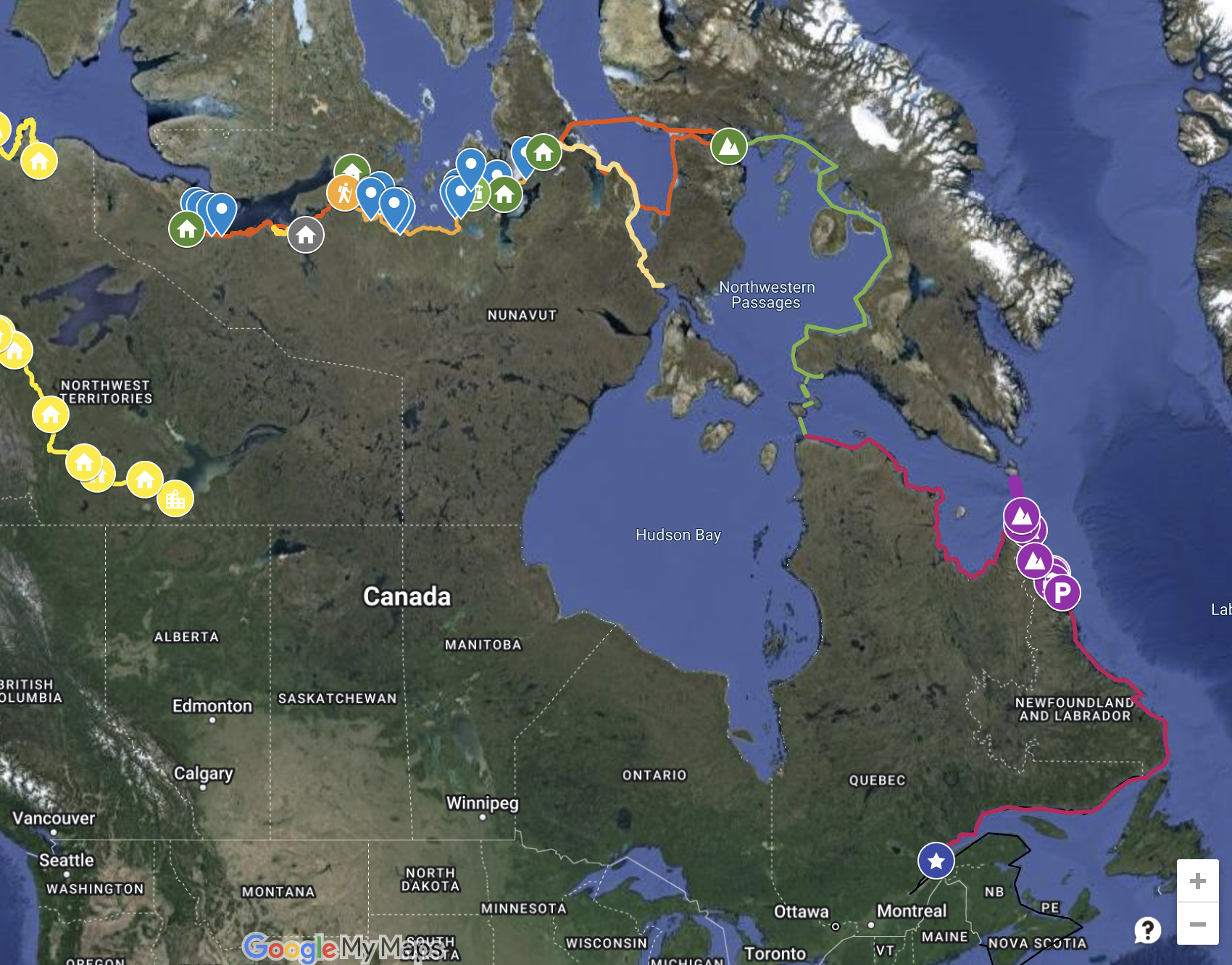
The Route in 2022-2023
On May 31, 2022 we launched our kayaks onto Great Slave Lake and paddled 1800 km down the Mackenzie River to reach Tuktoyaktuk on July 15. We rested in town for a few days as we waited for ice to move off of the peninsula. On July 20, we left early in the morning for the distant community of Paulatuk. We followed the coastline for over 650km and did not see another human or boat until reaching Paulatuk 25 days later. In July 2023 we left Paulatuk and paddled over 700km of remote Arctic coastline to reach the hamlet of Kugluktuk. It was a bustling metropolis compared to Paulatuk. The coastline here is incredibly remote and there is not much life – as soon as we entered Coronation Gulf, the coast changed to a friendly and accessible shore. We look forward to the next sections.
The Plan moving forward
In 2024 we left Kugluktuk early, just a few days behind the ice pack. We were confident and felt we would reach Gjoa Haven easily. Unfortunately after just one week and 120km Anthony aggravated on old shoulder injury and we were picked up by boat and returned to Kugluktuk. Our hearts are still stuck in the north though.
We had hoped to complete our trip this year and move on to new adventures, but we feel we have left something unfinished and hope to return to Kugluktuk to finish our paddle to Gjoa Haven.

Challenges
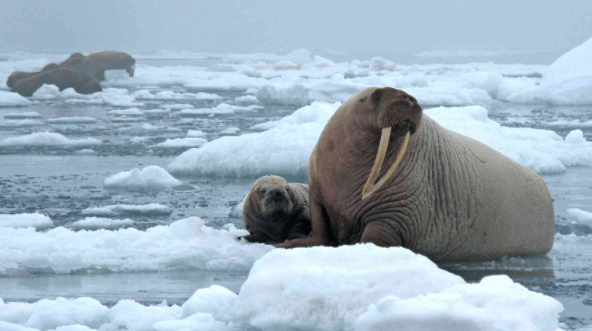
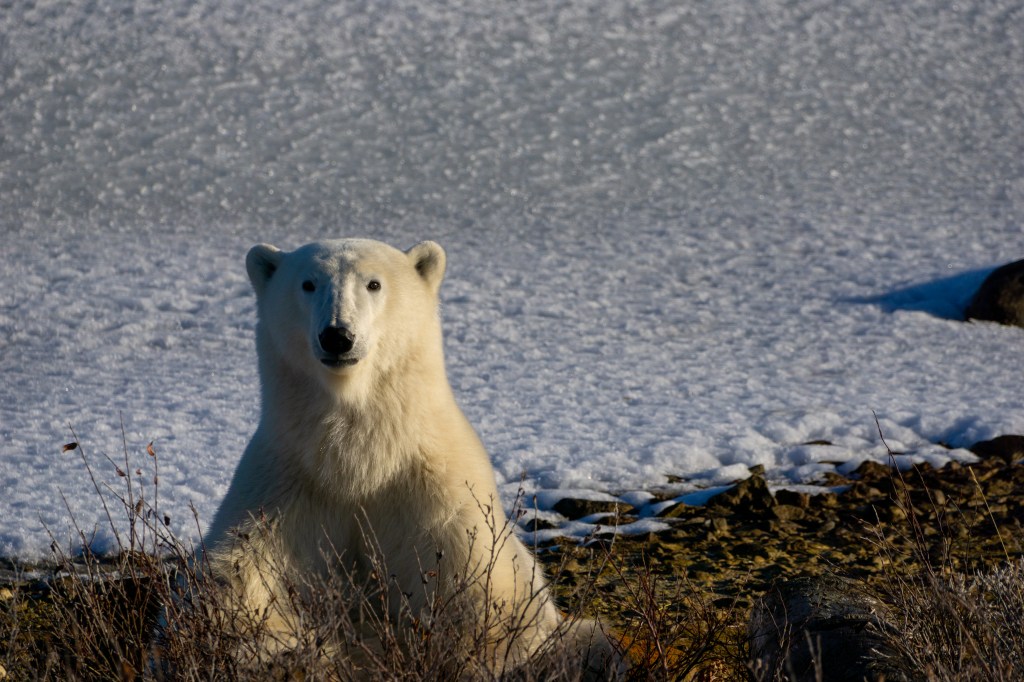
The Arctic Coast is an incredibly remote and wild place. In 2022, from Tuk to Paulatuk we did not see another human for 24 days. The coast is dominated by wind and ice – which remain our primary concerns – and much of our trip will be subject to the movements of the sea ice. Unpredictable weather, dangerous wildlife, and a very short window of opportunity make success on this trip much more challenging than on a standard sea kayaking expedition.
Camping in small groups in polar bear and grizzly country always poses a significant risk, but we have the appropriate deterrents to handle difficult situations and are confident in our decision making. In 2022 we only had one negative encounter with a grizzly, while both polar bears we saw paid little attention to us.
See the gear section to learn more about the growing body of science suggesting non-lethal bear deterrents are just as (if not more) successful at protecting from all bear encounters, including polar bear attacks.
Hiking
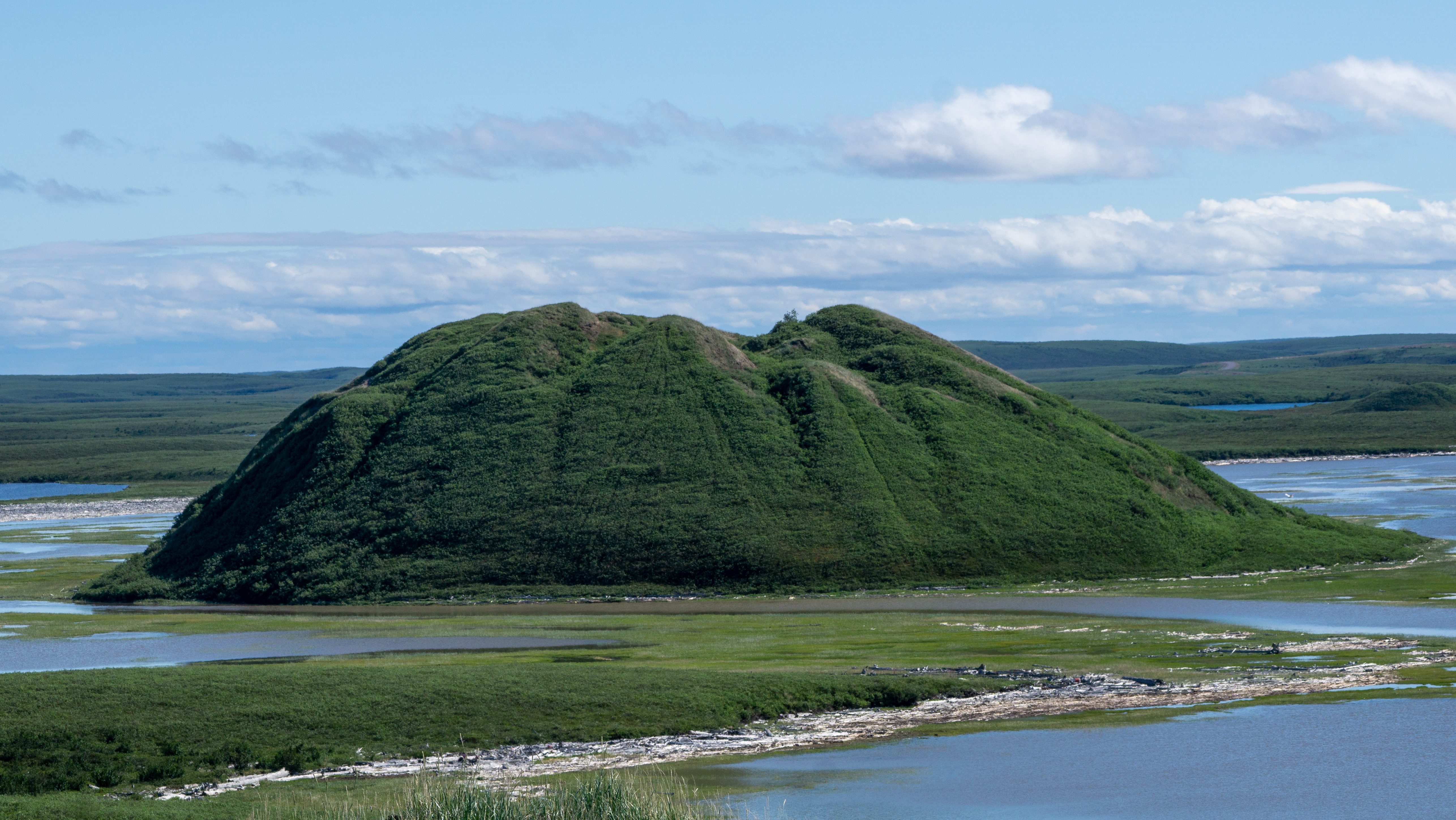
Aside from one full day of hiking up Mount Hamar in Norman Wells, most of the peaks we climbed were small hills or pingos beside the river or along the coast. As we move east, the landscape changes from the broad, cheese-grater, pingo-covered Tuktoyaktuk Peninsula to more hilly and mountainous terrain near Paulatuk. It gives us the opportunity to climb higher mountains as we keep paddling.
In 2022 we managed to hike up two peaks along the Dehcho, five pingos along the Tuktoyaktuk Peninsula, and one named summit near the Horton River.
Communities
Along the Mackenzie River, we passed through eleven vibrant communities: Hay River, Fort Providence, Jean Marie River, Fort Simpson, Wrigley, Tulita, Norman Wells, Fort Good Hope, Tsiigehtchic, Inuvik, and Tuktoyaktuk.
Each one of these stops allowed us unique insights into the thriving culture and traditions of the Dehcho Dene, Sahtu Dene, Gwich’in Dene, Metis, Inuvialuit, and Inuit. The impact and history of fur trading is apparent everywhere we looked, and we are excited to visit old HBC trading posts in the Ahiak Migratory Bird Sanctuary in 2023.
The time we spent in Tuktoyaktuk and Paulatuk were highlights of the trip. We were welcomed warmly and treated to traditional foods. People shared their knowledge of the coast willingly and offered encouragement on our trip.
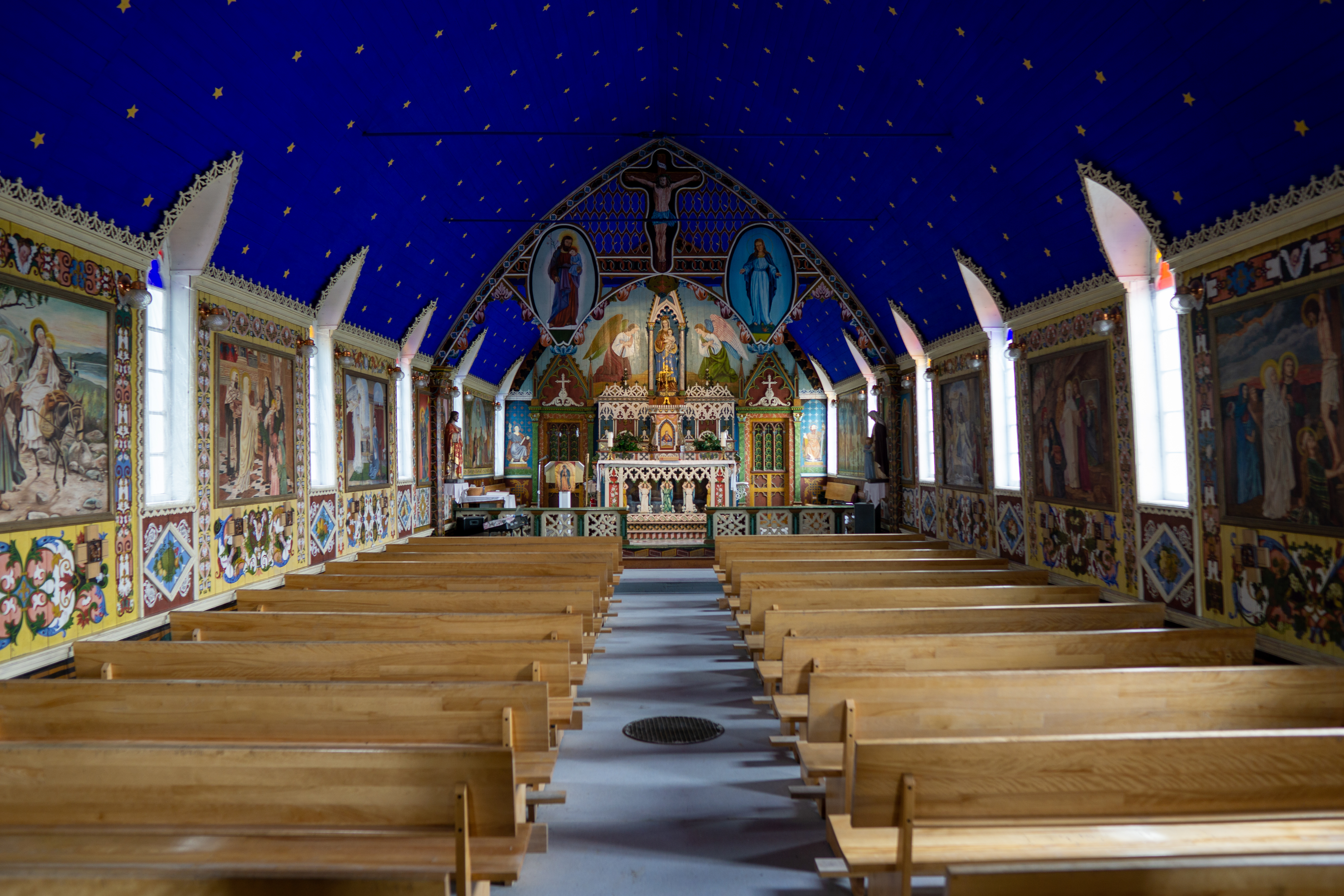
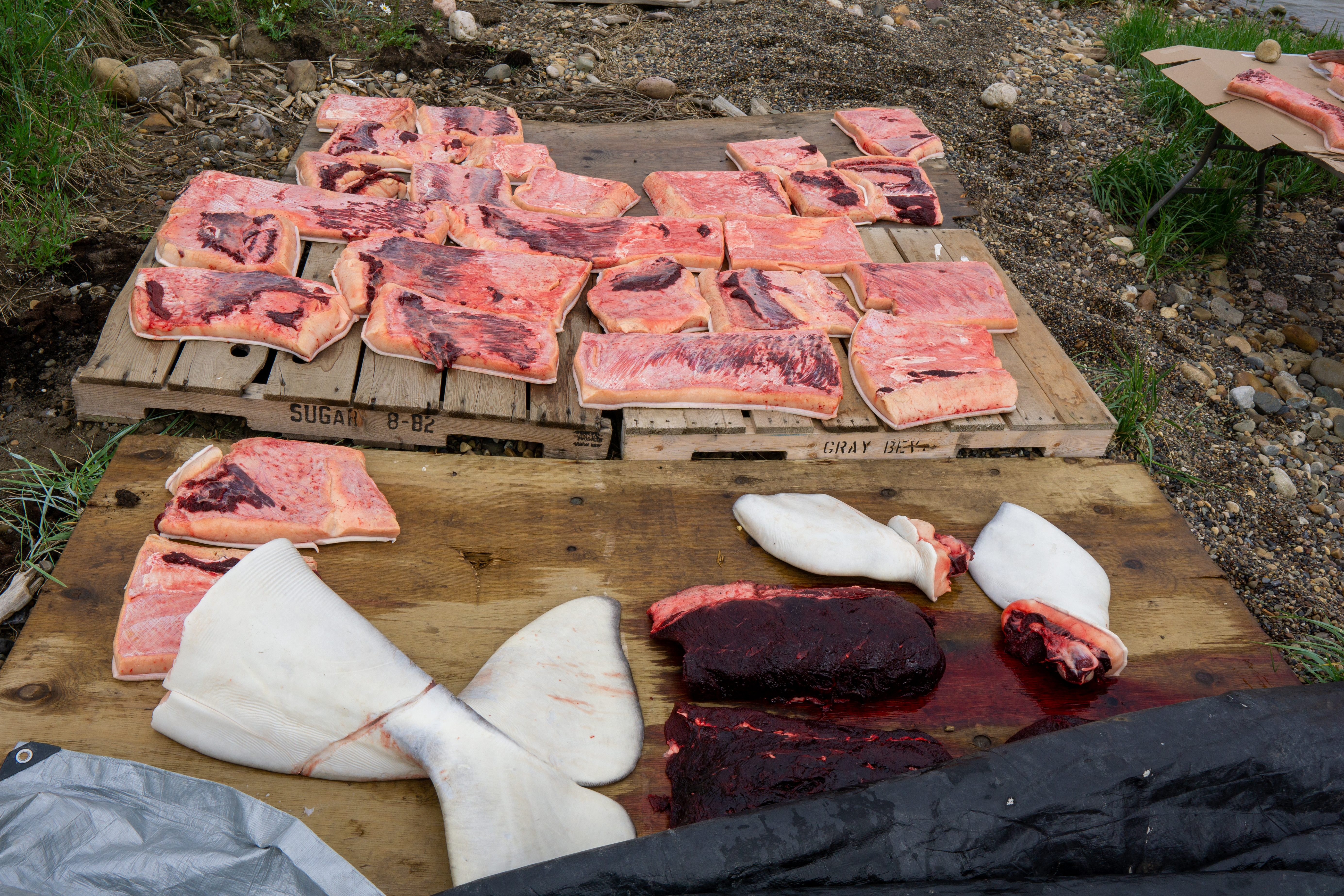
In 2023 we left Paulatuk in Darnley Bay in early July. The next community Kugluktuk, is about 700km away. We stopped our trip in 2023 in Kugluktuk due to boat repairs that were beyond our ability to fix in the field. In 2024 we returned, intent to paddle to Gjoa Haven and likely beyond. One week into the expedition, Anthony injured his shoulder and was unable to paddle even short distances. We returned to Kugluktuk by boat.
Our kayaks are still in the community and we hope to return, but it may have to wait a few years.


 Coastal Mountaineering